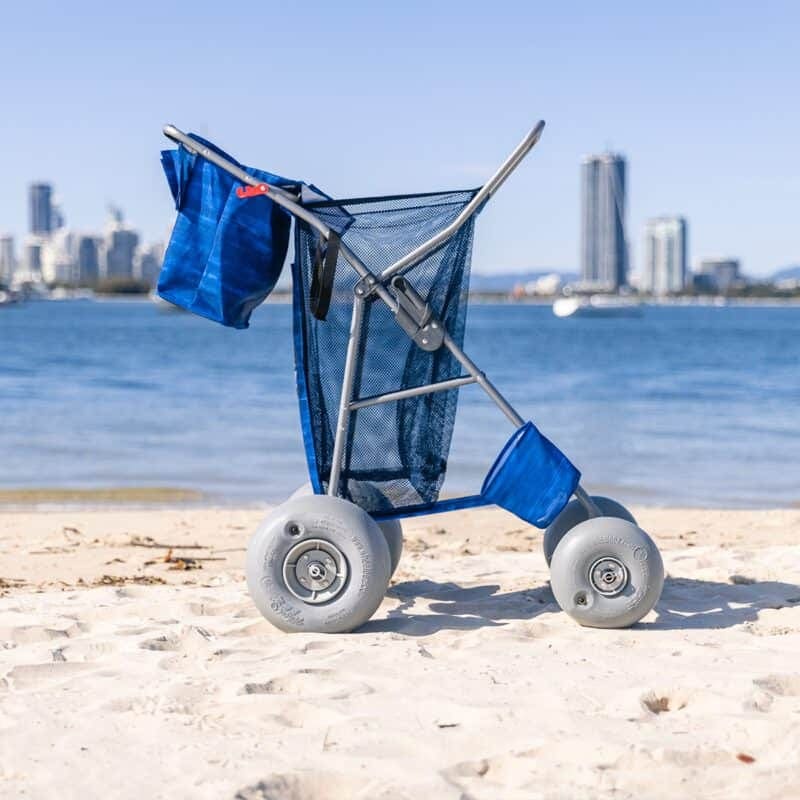
Access to the beach often depends less on motivation and more on logistics. The good news is that many coastal communities now provide beach wheelchairs, mats, and access support if you plan ahead.
Start with beach-specific access information
Visit the city, county, or parks website for your beach. Look for details on beach mat locations, accessible parking, restroom distance, and equipment checkout hours. Call to confirm same-day availability.
Decide whether to rent or bring your own chair
Rentals can be a great first step and reduce transport hassle. If you buy your own beach wheelchair, prioritize large balloon wheels, frame durability, and foldability for car loading.
Checklist
Pack for comfort, not just mobility
Bring sun protection, extra water, cooling towels, and a lightweight transfer aid if needed. A smooth transfer plan matters as much as the chair itself.
Time of day makes a big difference
Early morning or late afternoon often means cooler weather, fewer crowds, and easier parking. Lower heat and less foot traffic can make movement and transfers much less stressful.
Use a two-person support plan
If possible, assign clear roles before arriving: one person handles navigation and terrain, the other handles gear and comfort setup. Defined roles reduce confusion and fatigue at the shoreline.
Make the goal enjoyment, not endurance
A successful day does not require staying for hours. Even 45 to 90 minutes of ocean air and conversation can be deeply restorative. Plan a shorter trip first, then expand based on how it goes.