Good lighting is not just about brightness. It is about consistency, contrast, and reducing glare.
1) Light pathways, not just rooms
Focus on the path from bed to bathroom, from entry to kitchen, and around stairs.
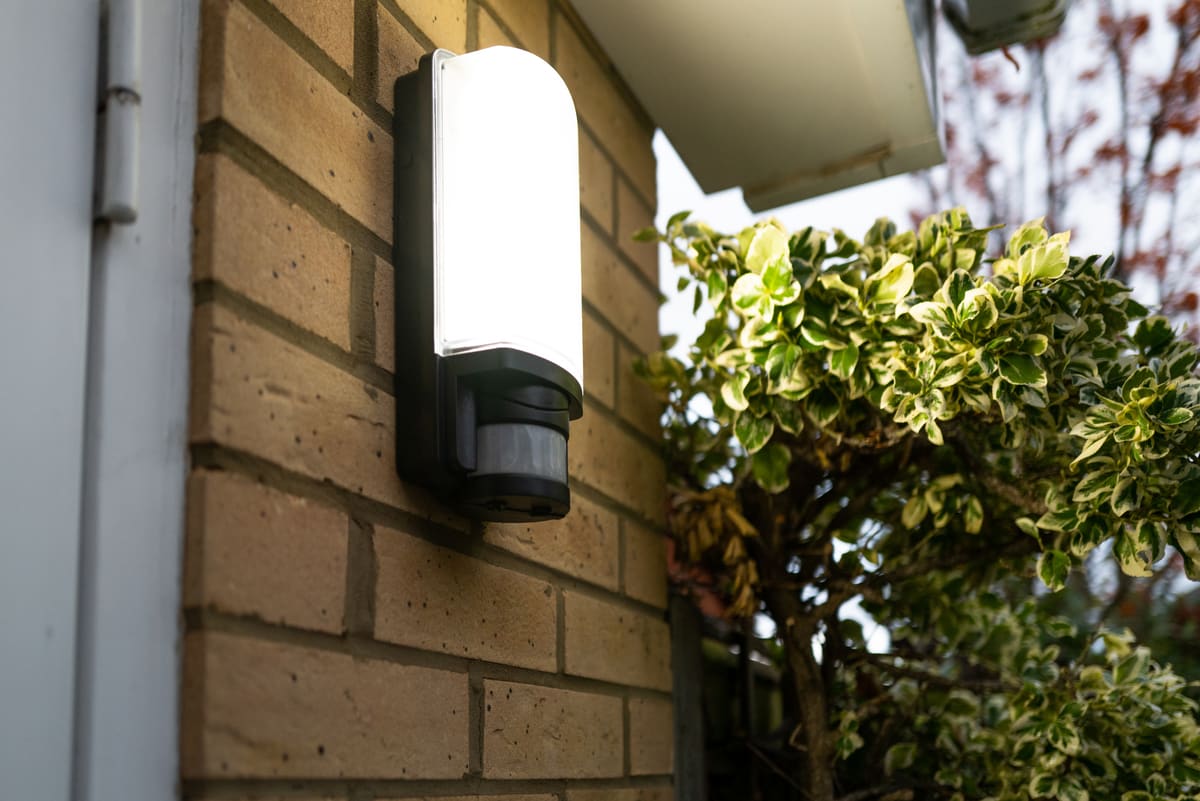
2) Add motion lights in hallways
Motion-activated lights prevent "dark first steps" at night.
3) Use warm bulbs with less glare
Harsh light can flatten depth perception. Warm, diffuse light is usually easier on aging eyes.
4) Increase contrast at edges
Use lighting and contrast tape to make step edges, thresholds, and transitions easier to see.
5) Layer light in task areas
Under-cabinet kitchen lights and reading lamps reduce shadowy "guessing zones."
6) Remove bulbs with inconsistent color
Mixed bulb temperatures in one area can make spaces feel visually confusing.
7) Put key lights on easy-to-reach switches
Reduce stretching and fumbling by relocating or simplifying controls.
Quick win
Start with one night route
Improve one route first: bed to bathroom. If that feels better, continue room by room.